The important you should know about Colon Cancer Treatments
0 comments Posted by Sri Hartati at 10:05 AMTreatments for colon cancer offer more options that you might think. You may feel overwhelmed by fear and now on your future, but you can educate yourself and take control of part of both treatment and your life.
Chemotherapy, surgery and radiation are not only treatment for cancer of the colon. You can find out how much, not to say more about your condition to your oncologist. There is some basic information needed to begin.
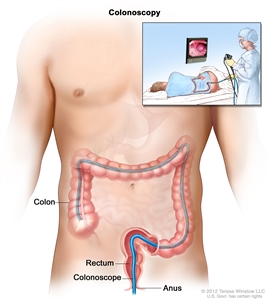 Colon Cancer Treatment
All conventional cancer treatment and is controlled by funds from pharmaceutical companies and investments. Competition is hampered by various organizations with financial interest in the treatment of cancer. This is well documented in various publications, if you care to do some research.
Before his death, the typical cancer patient generates many thousands of dollars in profit for cancer drugs and treatment of suppliers.
 Colon Cancer Treatment
It is rare for oncologists advise their patients on a dozen topics available and affordable actually counter the effects of radiation and chemotherapy. Some Medical Colleges are teaching the doctors of medicine and surgery, therefore not surprising that many doctors simply do not know the options. Some doctors have also been closed psychiatric treatments beyond their traditional training.
But the survey of 64 oncologists on staff McGill Cancer Therapy Center in Montreal, found that 91% are not patients or relatives of chemotherapy for the treatment of cancer, because it is toxic and ineffective. But 75% of cancer patients are regularly given conventional chemotherapy, as part of treatment.
There are hundreds of natural, gentle and effective treatment for cancer, which used thousands recover their help, but because they cannot be patented by pharmaceutical companies, with no advertising.
While only 3% of patients with metastatic cancer survive long term when treated with chemotherapy, some "alternative" substances are long-term survival of 50-70%, when used alone, while alternatives to substances used in combination increased survival rates of 90% or higher.
Thousands have recovered from cancer revived with the help of mild, non-toxic treatments. The survivors will share their stories, as well as alternative operators who have several times successfully treated for cancer. Decide yourself ... you do not need to hand over your future to others.
Article source: ezinearticles.com | write by : Jenny Jackson
It seems a little "more people are diagnosed with colon cancer in those days. Maybe has to do with the aging population, but probably a lot of motivation and behavior. Another condition appears to grow is constipation, which over the years cannot be good. If we want discuss the best treatment for cancer of the colon, we must go further than the worst of them also.
 Colon Cancer Treatment
Put your hand if you have heard of these ... chemotherapy, radiotherapy and surgery. It is true. This means that the best treatment for cancer of the colon is, you guessed, all natural.
Look what logically for a moment. If you have colon cancer is your goal is to leave and to restore your health. How in the world expects to realize that the pumping of toxic chemicals in the blood? O Zappa with radiation from the body? Or by cutting your parts of your intestines and colon? These are there for a reason. And we are not supposed to avoid radiation, because it causes cancer? The whole system is upside down. With the exception of large pharmaceutical companies that making billion dollar profits from the commercialization of these treatments. This substance can be for another time.
 Colon Cancer Treatment
We are talking about all natural, non-toxic treatments that will reverse your cancer of the colon and restore health. There are some circumstances in which he lives to cancer. Cancer loves low oxygen and high acidity levels. And a chronic dehydrated body and weakened immune system. It’s a toxins and free radicals. He loves sugar. And colon cancer in particular, must really love the toxic mess left years of constipation.
Your body wants to be in balance. If you can find natural treatments designed to reverse the conditions that we have just said, it will also be your way of a colon cancer free. Do not leave that up to some doctors who have no other choice than to shoot drugs and surgery. Discover a world of opportunities. Your body deserves the best.
Article source: ezinearticles.com | write by : Joshua McCarron
Colorectal cancer, also called colon cancer or large bowel cancer includes cancerous growth in the colon and rectum. Its approximately 655,000 or more deaths per year worldwide, is the third most common form of cancer and the second largest cause of cancer-related deaths in the Western world.
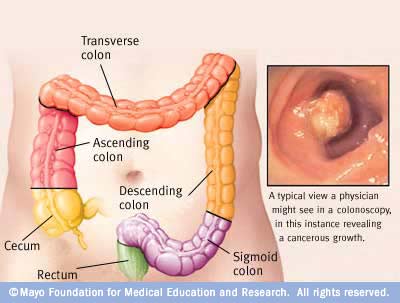 Colorectal cancer
What are the symptoms?
Vague convened the first symptoms of colon cancer, such as bleeding, weight loss and fatigue (tiredness). Local (bowel) symptoms are rare; the tumor grew to a size larger. Generally speaking, it is the nearest cancer anus, the more bowel symptoms there will be.
 Colon cancer
People with high risk for colorectal cancer include those with:
- A strong family history of colon cancer or other cancers in the first grade.
- A previous history of adenomas or cancer of the colon.
- A history of chronic ulcerative colitis or Crohn's disease.
One of the most important factors in the pathogenesis of large bowel cancer can be inherited susceptibility to colorectal cancer. Of first-degree relatives of patients with colorectal cancer have an increased risk of about 3-4 times for the development of colorectal cancer, compared with the average person on the street. Patients with colorectal cancer have a previous 3-4 times greater risk of developing a second cancer and colon and then the life of the monitoring in these patients is important.
 Colon Cancer Diagnosed
Patients with adenomas and particularly those with familial Adenomatous polyposis (a genetic disease in which hundreds or thousands of adenomas may occur), are at increased risk for cancer formation of polyps is not completely removed. Patients with ulcerative colitis and Crohn's disease have increased risk of developing colon cancer, especially if the disease has existed for more than 10 years.
Article sources:
- http://en.wikipedia.org/wiki/Colorectal_cancer
- www.colorectalcentre.com
Related articles:
Colorectal cancer (or bowel cancer) is one of the most common types of cancer in both men and women. About four-fifths of these tumors found in colon (colon), and a fifth in the rectum.
Prevention and early detection of colorectal cancer is important. Some of the most common symptoms include a change in bowel habits (eg constipation, and bleeding), mucus, and discomfort or pain in the lower abdomen. The vast majority of cancer of the colon and rectal adenocarcinoma is about 10% of these are mucinous (protein contained in mucus).
 Colorectal Cancer
Colorectal cancer develops from May benign polyps (a polyp is a tumor on a stalk usually found on the mucous membranes). Worldwide there are about 782,000 people diagnosed with colorectal cancer each year.


